By Olivia · Published March 25, 2026 · Updated October 26, 2026
Raw Vegan Diet beginners guide: Food List & Plans
What Is a Raw Vegan Diet? A Beginner’s Guide to Foods, Plans and Safety
Quick Answer: Raw Vegan Diet for Beginners
This raw vegan diet beginners guide covers the basics: a raw vegan diet is made up of uncooked plant foods, or foods heated only to about 115–118°F (46–48°C). It leaves out meat, dairy, eggs, fish and honey. It can be low in calories, protein, vitamin B12 and iron if it isn’t planned well, so beginners should go slowly.
- Golden rule for beginners: Don’t switch to 100% raw overnight. A sudden jump in fiber and a drop in calories can cause bloating, fatigue and weight loss. Transition gradually and keep some cooked foods in the mix.
- Three building blocks: fresh fruit for energy, leafy greens and vegetables for vitamins and minerals, and nuts, seeds or avocado in moderate amounts.
- Equipment: A blender and a juicer are helpful, but you don’t need them to eat raw.
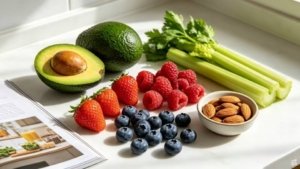
A mix of fresh fruit, vegetables, avocado and nuts is the base of a raw vegan diet.
This guide covers what a raw vegan diet is, what a first week can look like, the common mistakes I made when I started, and the safety points that matter most. It is based on my own experience, not medical advice, and your results may be different.
1. What Is a Raw Vegan Diet?
A raw vegan diet excludes all animal products (meat, dairy, eggs, seafood and honey) and focuses on plant foods eaten uncooked or only gently warmed, usually below about 118°F (48°C).
Cooking does change food, and not always in the same direction:
- Some nutrients drop with heat. Vitamin C and some B vitamins, such as folate, are partly lost when vegetables are boiled or cooked for a long time.
- Some nutrients become easier to absorb. Cooking makes lycopene in tomatoes and beta-carotene in carrots more available, and it makes beans, lentils and potatoes safe and digestible.
- Raw food is bulkier and lower in calories. That is why many beginners end up undereating without noticing.
There is no good evidence that raw food “detoxes” the body. Your liver and kidneys already do that job. The reasons to try it are practical: more vegetables and fruit, fewer processed foods, and meals that feel lighter for some people.
2. My Personal Journey: What I Got Wrong at First
When I first discovered raw foods, I made the classic beginner’s mistake and tried to go 100% raw overnight. I threw away all cooked food, lived on green salads and cucumbers, and ignored how many calories I needed. Within ten days I was exhausted, always cold, very bloated and losing weight quickly.
Looking back, I was simply undereating and getting too much raw fiber at once. When I switched to a higher-calorie, flexible transition plan built on ripe sweet fruit (bananas, mangoes, dates), fresh juices and warm steamed sweet potatoes when my stomach needed comfort, my energy improved and my digestion felt much calmer.
A Beginner’s Example: Anna’s Transition
Anna (name changed) is a 29-year-old software designer who dealt with bloating, sluggish digestion and afternoon brain fog. She wanted to go raw but was worried about losing too much weight and feeling hungry all the time.
What we tried: Instead of forcing fully raw meals, we used a 4-week transition. She started the morning with a glass of fresh celery juice, had a large fruit meal for lunch, and ate a raw salad with steamed squash or potatoes for dinner.
What she reported: After about three weeks she told me her bloating was much better, her bowel movements were more regular and her energy felt steadier. This is one person’s experience. She also changed other habits at the same time, so I can’t say the diet alone caused the change.
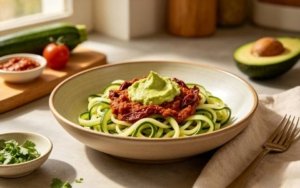
Raw meals are prepared without heating food above about 118°F (48°C).
3. Essential Foods in a Raw Vegan Diet for Beginners
To keep your energy steady, build meals around whole plant foods:
| Food Category | Good Choices | Limit or Watch |
|---|---|---|
| Fresh Fruit | Bananas, mangoes, papayas, melons, apples, berries, dates | Unripe fruit; dried fruit with added sugar or sulfites if you are sensitive |
| Leafy Greens & Vegetables | Spinach, romaine, kale, cucumber, celery, zucchini, beets | Large amounts of raw cruciferous vegetables if they upset your stomach |
| Plant Fats & Protein | Avocado in small portions, soaked chia or flaxseeds, raw walnuts, sprouted seeds | Processed oils and very large portions of nuts |
| Drinks | Water, fresh juices, coconut water | Sugary bottled juices, excess caffeine, alcohol |
4. Mistakes to Avoid on a Raw Vegan Diet for Beginners
Starting a raw vegan diet works better with a plan. Pay attention to these points:
⚠️ Warning 1: Don’t Under-Eat Calories
Raw fruits and vegetables are low in calorie density, so eating mostly salads can leave you tired, cold and losing weight. Make sure you eat enough, including ripe fruit and starchy foods like sweet potato during your transition.
⚠️ Warning 2: Watch Very Heavy Fat Together with a Lot of Sweet Fruit
Some people feel gassy or heavy after large portions of nuts combined with a lot of sweet fruit. If that happens to you, try smaller portions of each and see what feels comfortable. People with blood sugar problems should talk to their doctor about how much fruit is right for them.
⚠️ Warning 3: Don’t Ignore Vitamin B12, Iron and Protein
Any vegan diet needs a reliable vitamin B12 source, usually a supplement or fortified food. Iron, calcium, zinc, omega-3 fats and protein also need attention, especially on a raw-only diet. A doctor or registered dietitian can check your levels and help you plan.
Helpful Equipment (Optional)
As you follow this raw vegan diet beginners guide, simple tools can make meal prep easier. You can eat raw without special tools, but these make it easier:
- Slow (masticating) juicer: Useful if you enjoy fresh juice. See our comparison: Best Cold Press Juicer 2026: Ninja, AMZCHEF, Omega and Dash Compared.
- High-speed blender: Good for smoothies and soups. See our guide: Best Juicer and Blender for a Raw Vegan Diet.
Related Guides
- Raw Vegan Gut Reset: Bloating Protocol
- 7-Day Raw Vegan Detox: Menu and Safety Notes
- Raw Vegan Health Benefits
Frequently Asked Questions (FAQ)
Is a raw vegan diet safe long-term?
Why do I get headaches or bloating when I start?
Where do I get protein on a raw vegan diet?
Do I need to be 100% raw?
Final Thoughts
A raw vegan diet isn’t about perfection or going hungry. Start slowly, eat enough, listen to your body and don’t ignore nutrients like vitamin B12. If something feels wrong, change course or talk to a professional.
References
- Academy of Nutrition and Dietetics. Vegetarian Dietary Patterns for Adults. andeal.org
- NIH Office of Dietary Supplements. Vitamin B12 Fact Sheet for Consumers. ods.od.nih.gov
- NIH Office of Dietary Supplements. Iron Fact Sheet for Consumers. ods.od.nih.gov
Adopting a raw plant-based diet unlocks vibrant health and continuous natural vitality.
I have been practicing the raw food diet since 2003, starting with a daily ABC vegetable and fruit juice. After consistent practice, my bowel movements became regular, my inflammation level decreased significantly, and my overall health improved steadily.
To clarify, the raw food diet emphasizes uncooked food, but this does not mean consuming cold or iced items. It refers to a plant‑based diet prepared at temperatures below 48°C, which preserves enzymes, nutrients, and antioxidants.
Raw cuisine centers on meals prepared below 48°C to guard active enzymes and delicate antioxidants
We are now officially promoting the raw food diet. With long‑term practical experience, I am often asked: What exactly is the raw food diet, and where do we begin?
Simply put, the raw food diet consists of consuming natural, unheated foods. According to Dr. Wu Yongzhi’s research, the core value of raw food lies in active enzymes, which help eliminate blood toxins and break down harmful substances. Raw foods are also rich in phytochemicals, which are essential for bodily repair and wellness.
High‑temperature cooking destroys enzyme activity and greatly reduces antioxidant effects. Therefore, we emphasize eating raw, at low temperatures, and avoiding excessive heating.
Many practitioners have experienced noticeable improvements: daily fresh vegetable and fruit juice helps manage high blood pressure, high blood sugar, and diabetes. After several months, chronic conditions such as enteritis and pneumonia gradually improve. Patients with severe conditions such as myocardial infarction also achieve greater stability with long‑term intake.
Modern clinical medicine excels in acute illnesses, trauma, infections, and surgeries. However, chronic diseases mainly stem from accumulated blood toxins, which cannot be fully eliminated by medication alone. Chronic diseases require consistent, gentle conditioning. Daily intake of vegetable and fruit juice purifies the blood and removes toxins at the root level — this is the true purpose of promoting the raw food diet.
A special reminder: this raw food regimen is suitable for most people, but not for those with renal failure or dialysis‑dependent cancer patients. Their impaired water and electrolyte metabolism may be disrupted by the high potassium content in juice, which can lead to electrolyte imbalance and additional kidney burden.
Before starting the raw food diet, two essential devices are required:
1. A professional blender with precise temperature control
2. A high‑precision reverse osmosis water purifier
The blender must maintain a temperature between 38°C and 39°C. Only within this range can the effectiveness of the juice be tripled. This temperature produces an extremely fine, cotton‑like texture that fully breaks down plant cell walls to maximize phytochemical release — the key factor in reducing inflammation. Due to long‑term daily use, strict standards for blending equipment are necessary.
A reverse osmosis water purifier is equally critical. Tap water often contains residual chlorine, which damages mucosal membranes, irritates the digestive tract, impairs thyroid function, and promotes inflammation. During detoxification, water quality is just as important as food quality.
Now let us discuss the dietary plan and ingredient combination. Our foundational formula is ABC Juice:
– A: Apple (green apple)
– B: Beetroot
– C: Carrot
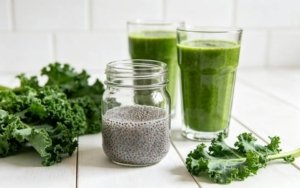
Embracing organic, life-giving foods is the most practical first step to resetting your cellular health.
The recommended ratio is three parts vegetables to one part fruit. Use more vegetables and one type of acidic fruit. Whenever possible, choose organic, pesticide‑free produce.
If the core ingredients are unavailable, substitutions include cilantro, lemon, tomato, orange, blueberry, purple cabbage, and kale, all of which are high in vitamin C.
It is advisable to drink one glass every morning. Men may consume approximately 1000 ml per day, women 600–700 ml. Those with serious illnesses or cancer may increase intake to 2000–3000 ml per day, divided among morning, noon, and mealtimes.
Important note: the juice must be consumed immediately after preparation, ideally within 10 minutes. After this period, oxidation occurs, reducing nutritional value and antioxidant activity.
According to Dr. Wu’s guidelines, drinking this fiber‑rich, blended juice may result in three to four bowel movements daily. This is a normal response as the body eliminates toxins and should not cause concern.
References
- Academy of Nutrition and Dietetics. Vegetarian Dietary Patterns for Adults. andeal.org
- NIH Office of Dietary Supplements. Vitamin B12 Fact Sheet for Consumers. ods.od.nih.gov
- NIH Office of Dietary Supplements. Iron Fact Sheet for Consumers. ods.od.nih.gov