
By Olivia · Published October 10, 2026 · Updated October 15, 2026
Raw Vegan & Celery Juice Gut Reset: 20 Burning Gastritis & SIBO Questions Answered
📌 Executive Summary: Celery Juice & Gut Healing Protocol
Core Mechanism: Fresh organic celery juice delivers bioavailable sodium cluster salts to neutralize stomach inflammation, eliminate Helicobacter pylori, and purge small intestinal bacterial overgrowth (SIBO).
- Optimal Dosage: Drink 16 oz (473 ml) strictly on an empty stomach every morning. Wait 15–30 minutes before taking food or supplements.
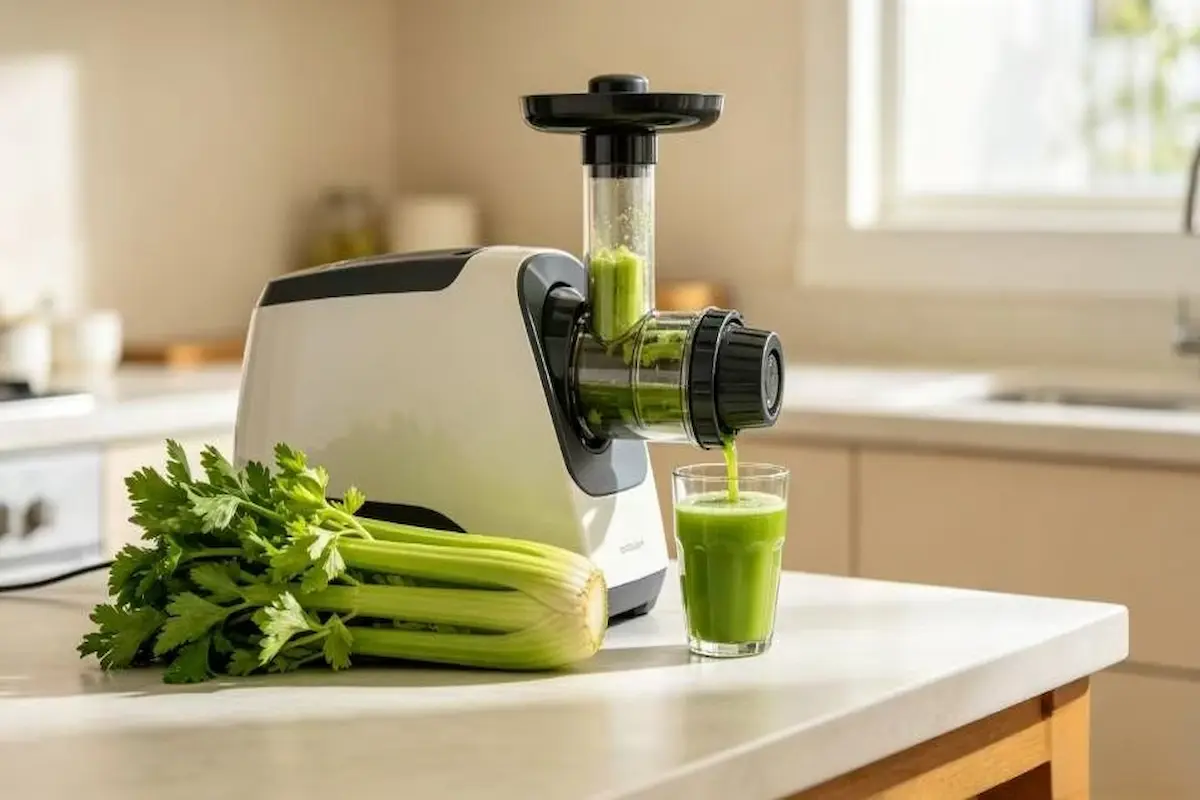
- Equipment Choice: Always use a slow masticating cold press juicer (such as Omega flagship models) to prevent enzyme oxidation and preserve cluster salt potency.
- Flare-Up Handling: If experiencing mild bloating or die-off cleansing reactions, adjust dosage to 4–8 oz and gradually rebuild tolerance.
If you are looking for the ultimate celery juice gastritis protocol to heal your stomach lining, this guide is for you.
When you take your very first sip of fresh celery juice, it acts as a gentle yet powerful cleanser, targeting the microscopic nerve endings along your stomach lining where neurotoxins have settled. This process often triggers mild, temporary discomfort. We frequently see these exact concerns and confusions bubbling up within Reddit communities like r/gastritis and r/SIBO. To be completely honest, we know the feeling all too well—we walked through years of chronic pain, dead ends, and deep frustration before finally finding our way to the other side.
For beginners, the key is to ease into the process slowly, keeping in mind that the timeline varies wildly depending on each person’s unique health baseline. Almost everyone feels some form of positive shift from the very beginning—in fact, many people notice a difference on day one—but the exact speed of healing depends heavily on your liver’s toxic load. If someone has spent decades accumulating stagnant, sluggish fats, heavy cholesterol, and high-protein debris in their system, coupled with massive colonies of strep bacteria feeding off that debris inside the gut, it will naturally take longer to clear. Furthermore, emotional factors—such as chronic stress, unresolved trauma, or living in a constant state of negativity—along with your daily lifestyle and diet, all play a massive role in how fast you experience the profound benefits of celery juice. Yet, those who stick with it quickly realize the undeniable truth: long-term celery juice drinkers can instantly tell the difference between drinking it and going without it. The moment they take a short break, their body reminds them immediately of the incredible physical and mental vitality it provides.
Below, blending the timeless wisdom of Anthony William‘s Medical Medium books, Dr. Hsiu-Chih Young’s natural healing philosophy, and the hard-earned blood, sweat, and tears of our community students, we break down the 20 most crucial questions:
Part 1: Raw Vegan Diet & Severe Gastritis Conflicts
Q1: Raw vegetables make my gastritis burning and bloating 100x worse. How can a Raw Vegan diet possibly heal my stomach?
When you are deep in the trenches of severe gastritis, the thought of eating a raw salad sounds nothing short of medieval torture. You take one bite of raw carrots or a bowl of crunchy lettuce, and your stomach immediately feels like it is on fire, accompanied by bloating so intense you look six months pregnant. This is the exact trap that makes many people believe that learning how to be a raw vegan is a dangerous lie for gut issues.
The missing puzzle piece is understanding that a true raw food healing journey never starts with chewing raw, coarse vegetables on an inflamed stomach lining. When your gastric mucosa is eroded, raw fibers act like sandpaper on an open wound. In the acute phase of gastritis, your digestive system needs a complete break, which is achieved through “liquid raw” healing—specifically, pure, strained celery juice and warm, soothing fruit-blended elixirs. Once your stomach lining has actually had the chance to repair and rebuild its acid production, you can slowly and safely reintroduce tender leafy greens and easily digestible, high-quality fats like avocados.
Related Guide: How to Safely Transition to a Raw Vegan Diet with Gastritis
Q2: Doesn’t the high fruit sugar (fructose) in a raw vegan diet cause fatty liver and worsen stomach inflammation?
If you have spent any time browsing modern health forums, you have likely been brainwashed by the low-carb and functional medicine crowd into fearing fruit as if it were toxic waste. The common fear is that the fructose in a raw vegan diet will instantly destroy your liver, trigger fatty liver disease, and throw your stomach lining into an inflammatory tailspin.
This is a massive misconception that lumps together processed high-fructose corn syrup with the living, vibrant sugars found in nature. The fructose in fresh, ripe fruit is completely bound up with living water, trace minerals, vitamins, and protective fiber. It does not hit your liver the way refined white sugar or processed sweets do. In fact, high-quality, perfectly ripe healing fruits like papayas and bananas are exceptionally gentle on an inflamed stomach. They are pre-digested by nature, offering your body the clean, glucose-rich cellular energy it desperately needs to repair damaged tissues rather than adding fuel to the inflammatory fire. Additionally, if you are incorporating supplements to repair your gut, keeping an eye on your overall metabolic health and managing things like l glutamine for sugar cravings can help you stay balanced without derailing your healing.
Related Guide: Fruit Sugar vs Processed Fructose: Debunking Fatty Liver & Inflammation Myths
Q3: I have severe chronic gastritis with silent acid reflux. Can I eat raw acidic fruits like lemons, oranges, or pineapples?
When your stomach lining is actively eroding and you suffer from silent acid reflux, the absolute last thing you want to put near your mouth is something that tastes sour. The instinctive fear is that eating raw, acidic fruits like lemons, oranges, or pineapples will feel like pouring hydrochloric acid straight onto an open sore.
However, the sour taste of a fruit can be deeply misleading. While citrus fruits taste acidic on the tongue, once they are metabolized by the human body, they actually break down into powerful, healing alkaline mineral salts that neutralize internal acidity and soothe tissues. If your stomach is currently in a state of high hyper-sensitivity, you don’t need to chug a glass of raw pineapple juice straight away. Instead, start gently by squeezing just a few drops of fresh lemon into warm water each morning. This mild introduction helps wake up and train your stomach to produce healthy hydrochloric acid naturally, effectively reversing silent reflux at its root.
Related Guide: Can You Eat Lemons and Citrus with Gastritis and Silent Reflux?
Q4: How do I prevent massive weight loss and muscle wasting during a raw food gut reset for gastritis?
One of the scariest parts of diving into a raw food healing protocol for chronic gastritis is watching the scale plummet week after week. Many people panic as they notice their muscle mass melting away, leading them to abandon the diet out of fear of starvation.
The truth is, weight loss on a raw diet almost always boils down to one simple, fixable error: you simply aren’t eating enough calories, or you are restricting yourself to water-heavy, low-calorie greens and vegetables. To maintain your weight and protect your muscles during a gut reset, you have to embrace calorie-dense, carbohydrate-rich sweet fruits—think heavy portions of ripe bananas, mangoes, and nutrient-dense medjool dates. Additionally, strategically integrating healthy, easy-to-assimilate fats like avocados provides your endocrine system and hormones with the steady building blocks they need, keeping your weight stable while your gut heals.
Q5: Is it safe to perform a deep liver flush (like the Andreas Moritz protocol) while my stomach lining is still actively inflamed?
When you realize that sluggish, toxic bile, liver congestion, and stagnant metabolic wastes are often the root drivers behind chronic acid reflux and gastritis, the temptation to fast-track your healing with an aggressive liver flush is immense. Protocols like the famous Andreas Moritz liver and gallbladder cleanse sound like a brilliant shortcut to total wellness.
Yet, diving into an intense liver flush while your stomach lining is actively bleeding, inflamed, and hyper-sensitive is a recipe for disaster. The drastic herbal combinations and heavy Epsom salt flushes can easily trigger violent vomiting, severe abdominal cramps, and extreme shock to a compromised digestive tract. The correct, safe sequence is always to prioritize gentle internal soothing first—using fresh celery juice, a low-fat plant-based diet, and deep hydration—to quiet down systemic inflammation and repair your stomach. Only when your digestive system is completely calm and stable should you ever consider moving on to deep-cleansing protocols.
Part 2: SIBO & L-Glutamine Technical Blindspots
Q6: I took L-Glutamine for my leaky gut and it caused severe bloating. Is this a die-off symptom or am I intolerant?
When you hear that L-Glutamine is the ultimate gold standard for repairing a leaky gut, it is easy to rush out, buy a tub, and start taking it immediately. So when a massive wave of severe bloating and painful gas hits you shortly after, your first instinct is often to celebrate, assuming it must be a sign of healing or a heavy die-off reaction.
Unfortunately, this is almost never a detox symptom. More often than not, it points to one of two harsh realities: either you purchased a cheap, low-grade powder loaded with hidden artificial sweeteners, or your small intestine is hosting an overgrowth of aggressive opportunistic bacteria (SIBO) that are ruthlessly feasting on the amino acid as fuel. When bad bacteria consume L-Glutamine, they ferment it rapidly, creating intense gas and abdominal distension. If this happens to you, the smart move is to stop taking it immediately and switch exclusively to a pure vegan l glutamine formula with zero additives, or pivot temporarily to gentle whole foods and herbal teas.
Q7: If L-Glutamine is the building block for gut repair, what is the exact protocol to take it without causing SIBO flare-ups?
If you want to harness the incredible tissue-rebuilding properties of L-Glutamine without triggering a miserable SIBO flare-up, you cannot just scoop it randomly into your morning coffee or protein shake. Precision and proper timing are everything when your gut lining is compromised.
First and foremost, always mix your vegan l glutamine in room-temperature or lukewarm water—never use hot liquids, as high heat alters its molecular structure and ruins its efficacy. Take it strictly on an empty stomach to ensure it reaches the intestinal walls directly. More importantly, start with a micro-dose, such as a tiny fraction of a teaspoon, and slowly monitor how your digestive tract responds over several days. Jumping straight into massive therapeutic doses right out of the gate is a surefire way to shock an already sensitive gut, leading to cramping, severe bloating, and nervous system anxiety.
Related Guide: The Exact Protocol for Taking L-Glutamine Without SIBO Flare-Ups
Q8: Can I drink celery juice if I suspect I have hydrogen-dominant SIBO along with chronic gastritis?
Finding out you have hydrogen-dominant SIBO while simultaneously battling chronic, painful gastritis feels like standing right in the middle of a catch-22. Because celery contains natural FODMAPs, the fear is that drinking it on an empty stomach will spark immediate bacterial fermentation, leaving you doubled over in pain.
Yet, avoiding celery juice out of fear will only keep you trapped in the cycle of chronic stagnation. The trick is how you approach it. If you suspect severe SIBO, start with a tiny serving—around 100ml to 150ml—and ensure it is 100% pure, strained juice with zero pulp. The specialized mineral cluster salts in fresh celery juice act as a natural, non-toxic antiseptic that gradually kills off the bad bacteria and helps restore proper, healthy hydrochloric acid production. Over time, addressing the root infection this way is the only true way to clear SIBO for good, rather than starving yourself into nutritional deficiency.
Q9: Just finished Rifaximin (antibiotics) for SIBO. What should I eat right now to prevent an immediate relapse?
Finishing a round of Rifaximin or other targeted antibiotics for SIBO feels like crossing the finish line of a marathon. But ask anyone who has walked this path, and they will tell you that the first week post-antibiotic is the absolute highest-risk window for an immediate, devastating relapse.
If you celebrate by going right back to heavy, oily, or complex foods, your wiped-out microbiome will be instantly recolonized by the hardiest opportunistic pathogens. To protect your investment and prevent a relapse, your immediate post-antibiotic diet must focus on rebuilding the migrating motor complex (MMC)—the rhythmic sweeping waves of your small intestine. Stick to simple, single-ingredient living foods, fresh fruit meals, and gentle vegetable juices. Keep clear spacing between your meals so your digestive tract has uninterrupted blocks of time to clean house naturally.
Q10: Why does sugar craving become insane during a SIBO gut reset, and how do I hack it without feeding the bacteria?
When you finally break free from processed junk food, refined oils, and heavy starches to reset your gut, a strange and terrifying thing happens: your brain starts screaming for sugar with a manic intensity that feels entirely out of your control. Your willpower crumbles, and you feel like you are losing your mind.
You aren’t going crazy—you are experiencing a biochemical hostage situation. The massive colonies of yeast, fungus, and bad bacteria starving inside your gut are sending desperate chemical distress signals straight to your vagus nerve, hijacking your thoughts to demand the fuel they need to survive. To hack these cravings without feeding the bad guys, you have to outsmart them with high-quality natural glucose. Reach for deeply satisfying, perfectly ripe sweet fruits like fresh bananas, sweet medjool dates, or a glass of freshly squeezed orange juice. These clean, living sugars get absorbed instantly into your bloodstream and feed your brain cells what they are crying for, satisfying your sweet tooth while completely starving the pathogens in your gut. If you find yourself struggling with intense dietary adjustments, understanding how to manage l glutamine for sugar cravings can also provide an extra layer of metabolic support during your transition.
Part 3: Medical Medium Celery Juice Protocol & Detox Panic
Q11: Is Anthony William’s Celery Juice Gastritis Protocol Safe for Eroding Mucosa?
When your stomach lining is already so thin and eroded that it feels like raw tissue, the thought of drinking 500ml of cold, potent green juice can feel genuinely terrifying. The natural instinct is to assume that any raw vegetable juice will sting, burn, or worsen the erosion.
The truth is, while jumping straight into a large glass of ice-cold celery juice can indeed be too harsh for a hyper-sensitive stomach, the protocol itself is entirely safe and deeply healing when approached correctly. The secret lies in moderation and temperature. Start by bringing your celery juice completely to room temperature—never drink it cold from the fridge. Begin with a tiny trial amount, such as 60ml to 120ml, and dilute it with a splash of warm water if necessary. The specialized mineral cluster salts naturally present in fresh celery are actually the precise building blocks your body needs to rebuild and strengthen compromised gastric mucosa over time.
Q12: Why does celery juice cause a massive burning flare-up in my stomach?
If you take a few sips of fresh celery juice and immediately experience a sharp, uncomfortable burning sensation in your upper abdomen, it is very easy to panic. Many individuals in the community conclude that their stomach is rejecting the fluid or that the liquid is eroding their lining. However, if you are actively navigating a celery juice gastritis healing crisis, you must understand that this response is far from causing permanent biological damage.
Far from causing damage, this burning sensation is often the physical manifestation of a fierce biochemical showdown. The potent biological sodium and living enzymes in celery juice are actively making contact with and neutralizing deep-seated pathogens, ammonia permeability, and toxic acid residues clinging to your stomach lining. This is a classic “die-off” or cleansing reaction. If the burn is too intense, do not try to be a hero—simply scale back your serving size to a few tablespoons and let your digestive system adapt at its own pace. Within a week or two, as those toxic layers are cleared out, that burning sensation will transform into a soothing, cooling relief.
Q13: Should I strain 100% of the pulp when making celery juice?
When people first start making fresh vegetable juice, they often feel a sense of guilt about throwing away all that thick, fibrous green pulp. Some even try blending or drinking it with the pulp included to “get more fiber.”
When it comes to therapeutic celery juice, straining out 100% of the pulp is an absolute non-negotiable rule. The core magic of celery juice lives entirely in the extracted mineral-salt liquid, not in the insoluble fiber. If you leave the coarse fiber in and drink it on an inflamed stomach, those tough fibrous strands act like microscopic sandpaper, causing severe mechanical friction against your delicate gastric walls and triggering unnecessary pain and cramping. Always use a fine strainer or nut milk bag to ensure your juice is completely smooth.
Q14: Can I save time by batch-juicing my celery juice on Sunday night for the whole week?
Mornings can be an absolute rush, and standing over a juicer at 6:00 AM while washing parts, chopping stalks, and cleaning up can test anyone’s patience. It is completely natural to wonder: can I just batch-juice a massive batch of celery on Sunday night and store it in mason jars for the rest of the week?
Unfortunately, the answer is a definitive no. The living enzymes, delicate vitamins, and biological sodium cluster salts in fresh celery juice are extraordinarily fragile. The moment the juice is extracted and exposed to the ambient air and light, oxidation begins instantly. Within just 15 to 20 minutes, its healing properties degrade dramatically. Drinking a batch-juiced, oxidized liquid from days prior will give you colored water, but it will offer zero therapeutic detox benefits. To get the true healing results, waking up a few minutes early to juice fresh every single morning is the only path that works.
Q15: Why does celery juice make my skin break out in severe acne or rashes, and how long does this “detox” last?
You started drinking celery juice to heal your gut and clear up your digestion, but two weeks in, your face suddenly erupts in severe cystic acne or red, itchy rashes. Naturally, you begin to fear you are having an allergic reaction and want to throw the juicer away.
What you are experiencing is not an allergy—it is a textbook healing crisis. As fresh celery juice goes to work flushing out decades of deep-seated liver toxins, heavy metals, and viral waste, your liver sometimes gets temporarily overwhelmed by the sheer volume of freed-up poisons. When the liver cannot process them fast enough through standard elimination pathways, your body pushes the excess waste out through the skin, which is the body’s largest secondary elimination organ. This breakout phase varies from person to person depending on your toxic load, but by staying hydrated, keeping your diet clean, and pushing through, your skin will soon clear up and transition into a radiant, luminous glow.
Part 4: Masticating Juicer Hardware & Setup Benchmarks
Q16: What is the difference between a Centrifugal juicer and a Masticating juicer for Medical Medium celery juice?
When you first decide to commit to a daily celery juice habit, heading to the nearest appliance store to grab the cheapest, fastest juicer you can find feels like a logical first step. Many beginners pick up a standard centrifugal juicer without realizing it will completely sabotage their health goals.
The fundamental flaw of a centrifugal juicer lies in its high-speed metal blades, which spin at thousands of RPMs to chop produce. This violent speed creates intense friction and heat, instantly oxidizing and destroying the delicate living enzymes and sodium cluster salts that make celery juice so powerful. On the flip side, a slow masticating juicer operates at a low, gentle speed (typically 40 to 80 RPMs), crushing and squeezing the stalks without heat. If you want to experience the true medical-grade benefits of your produce, investing in the best juicer for celery is an absolute necessity rather than a luxury.
Q17: Reddit swears by Omega or Nama for celery juice. Is it worth the money or is it just influencer hype?
If you spend even five minutes scrolling through health and wellness forums, you will notice that experienced practitioners on Reddit almost universally swear by high-end masticating juicers like the Nama J2 or Omega models. With price tags stretching into the hundreds of dollars, it is completely natural to wonder if this is just expensive influencer hype.
The truth is, these machines earn their legendary reputation for a very practical reason. Their superior design features heavy-duty augers that extract maximum juice while leaving the pulp bone-dry. Furthermore, when you are juicing dense, stringy celery every single morning, cheap machines will constantly clog, bog down, or break within a few months. When you calculate how much produce gets wasted by inefficient machines, buying the best juicer for celery actually pays for itself over time through the money saved on organic celery. Check out our 2026 battle-tested list of the best cold press juicer to maximize your yield.
Q18: I hate washing juicers. Which slow press juicer can actually be cleaned in under 60 seconds without clogging from stringy celery fibers?
Let’s be completely honest: the single biggest reason people abandon their daily celery juice routine isn’t the cost of the celery or the taste—it’s the absolute dread of having to take apart, scrub, and clean a complicated machine every single morning. Celery is notorious for its tough, stringy long fibers that love to wrap around juicer augers and wedge tightly into tiny mesh screens.
To bypass this nightmare, you need to look for modern slow press juicers designed with simplified components, gridless strainers, or wide-hopper vertical designs that minimize fiber entrapment. The golden rule of effortless cleanup is never letting the pulp dry out: the moment you finish pouring your juice, immediately rinse the parts under warm running water. By pairing a smart machine design with an immediate rinse habit, you can easily knock out the entire cleanup process in under 60 seconds.
Q19: Does a higher juice yield (dry pulp) really justify buying an expensive commercial-grade masticating juicer?
When looking at commercial-grade or top-tier masticating juicers, the initial sticker shock can make anyone hesitate. It is easy to ask yourself: does a slightly drier pulp really matter enough to justify spending double or triple the price of a standard entry-level machine?
From a long-term financial and practical standpoint, the answer is a resounding yes. Cheap juicers leave the pulp wet and soggy, meaning a significant portion of your expensive organic celery juice is literally being thrown straight into the trash can. High-end masticating juicers extract every single drop of moisture, leaving the waste looking and feeling dry like paper flakes. If you calculate the amount of produce wasted over a year of daily juicing, the extra juice extracted by a high-yield machine will completely cover the price difference in a surprisingly short time.
Q20: Can I use a high-speed blender (like a Vitamix) and a nut milk bag instead of buying a dedicated masticating juicer?
If you already own a powerful high-speed blender like a Vitamix sitting on your kitchen counter, it is completely natural to wonder why you should spend hundreds of dollars on a dedicated juicer when you could just blend your celery and strain it through a nut milk bag.
While this method can serve as an acceptable, low-cost transition step when you are first starting out, it comes with major drawbacks. High-speed blenders whip massive amounts of air into the mixture, causing instant oxidation that degrades the healing properties of the juice before you even get a chance to strain it. Furthermore, hand-squeezing thick green pulp through a mesh bag every morning is messy, exhausting, and time-consuming. If you are committed to a long-term healing protocol, upgrading to a dedicated slow masticating juicer will save you immense physical effort and ensure you get the highest quality juice every time.
Related Guide: Vitamix + Nut Milk Bag vs Dedicated Masticating Juicer: Pros & Cons